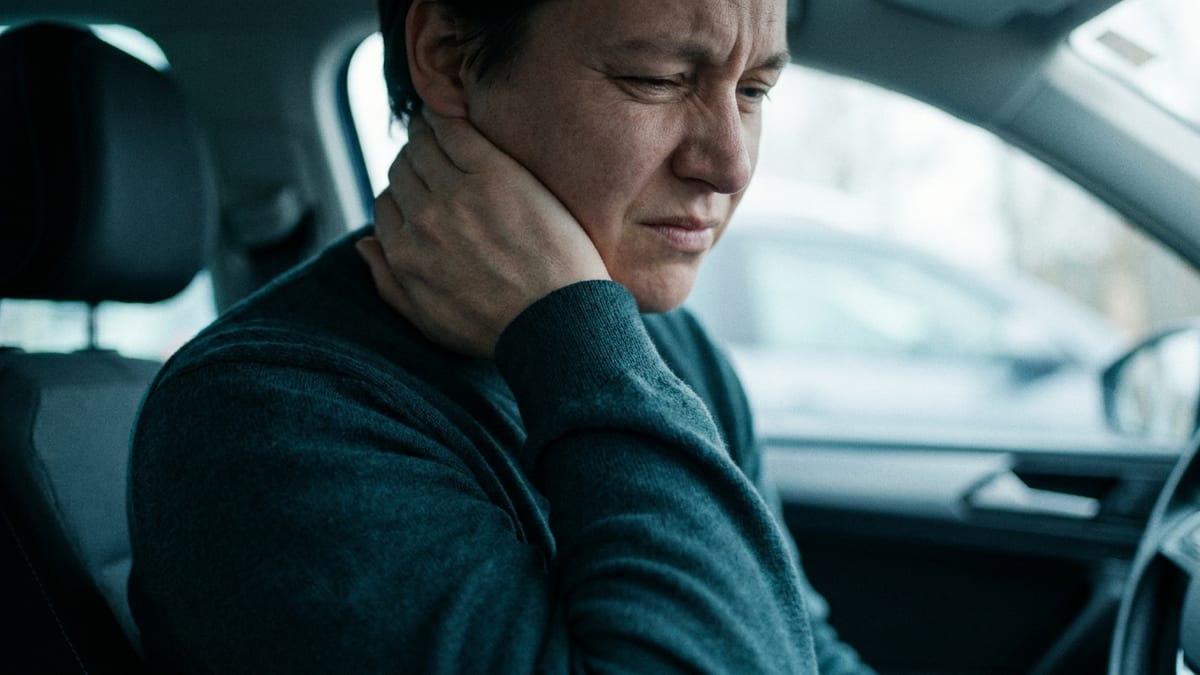
After a car accident, you'll likely feel some pain in your neck once the adrenaline dies down. The pain is similar to what you get when you sleep with your neck in an awkward position. Caused by a fast, forceful back-and-forth movement, it puts a strain on your neck and is most common in rear-end accidents.
Very often, whiplash is dismissed as a minor injury. That said, unless it's treated properly, this type of pain can last for several years. This is why it's important to get yourself checked immediately after an accident — it may prevent long-term effects.
Complications that whiplash may bring
Although whiplash isn't seen as a complicated injury, it can still have significant long-term consequences. Some of the most common symptoms include:
- Neck stiffness and pain
- Difficulty sleeping
- Headaches
- Difficulty moving your head
- Fatigue
- Vision problems
- Pain that radiates into your arms and shoulders
- Tingling and numbness in the arms
Whiplash can damage the ligaments of your neck, your discs, and your joints — which may lead to long-term pain. By seeking immediate care, you can usually minimize the symptoms and lower your pain. If you delay treatment, you risk the damage becoming irreversible.
How whiplash is treated
Because of the adrenaline coursing through us after an accident, we don't always realize we're suffering from whiplash. You may feel the symptoms in the next 6–12 hours, or even the next day.
A doctor will conduct a series of evaluations to determine whether you're suffering from whiplash. This can include an X-ray, a CT scan, or an MRI. If an injury is discovered, the doctor will prescribe a course of treatment, which can include:
- Pain management
- Massage therapy
- Heat or ice therapy
- Physical therapy
- Muscle relaxers
Depending on the extent of the injury, a foam cervical collar may be recommended to let your neck heal while preventing sudden movements. If the whiplash is milder, the neck is left to support itself.
The bottom line
Getting treatment as soon as possible not only prevents potential long-term damage, it can also help your claim — so you receive the compensation you're entitled to.
Hurt in an accident? Don't wait.
Get examined and documented today. Call Naples Spine & Joint.